
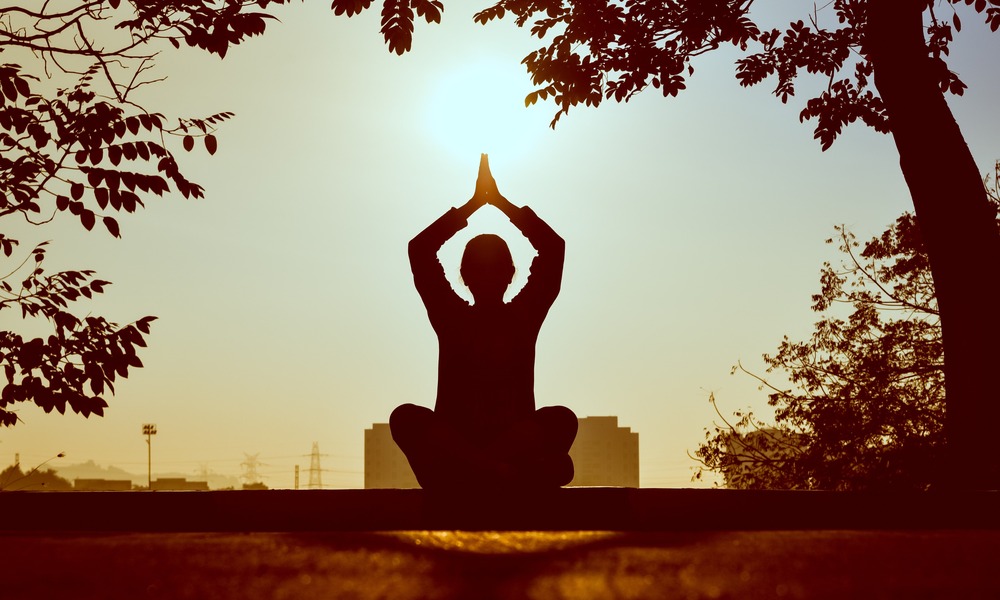
Q: What is mindfulness?
A: Mindfulness is the practice of being present and fully engaged in the current moment, without judgment or distraction. It is a waking state. Advanced yogis, monks and dedicated meditation practitioners can also achieve mindfulness while asleep.
Q: How does mindfulness benefit the mind?
A: Mindfulness is known to help reduce stress, improve focus and concentration, increase self-awareness, and promote emotional well-being.
Q: How does mindfulness benefit the body?
A: Mindfulness can improve physical health by reducing symptoms of chronic pain, lowering blood pressure, and improving immune function. If “stress” is a factor in the malady there is a good chance that mindfulness might also play a role in healing.
Q: Can mindfulness help with mental health issues?
A: Yes, mindfulness has been shown to be effective in treating a variety of mental health conditions, including anxiety and depression. It can also improve confidence in social situations as well as enhance overall enjoyment of life.
Q: Is mindfulness only for adults?
A: No, mindfulness can be practiced by people of all ages and is increasingly being taught to children in schools.
Q: How long does it take to see the benefits of mindfulness?
A: The benefits of mindfulness can be seen with regular practice, but it can vary from person to person. Some people may notice benefits after a few days, while others may take longer. Benefits tend to build upon each other. People often first notice an increase in their ability to relax or have less trouble falling asleep. As their mindfulness deepens they find that they are able to concentrate on important tasks for a longer durations of time, struggle less with addictive behaviors such as overeating, pornography or too much social media and are more positive in general.
Q: Is mindfulness only for people who are suffering?
A: No, mindfulness can be beneficial for anyone, even those who are not currently experiencing mental health issues. It can provide a key foundation to pursuing higher goals of improving the self: body, mind and soul. It is the foundation for the overarching goal of enlightenment.
Q: Can mindfulness be practiced in any setting?
A: Yes, mindfulness can be practiced anywhere and at any time, whether it’s at home, at work, or while travelling. Many people assume that mindfulness must be done while meditating on a cushion or doing yoga. These are both wonderful places to practice your skills, but there is much value to also practicing in noisy and difficult locations. This gives you the chance to train your mind to remain relaxed even during periods of stress.
Q: Is mindfulness only for people who are spiritual?
A: No, mindfulness is a secular practice and can be practiced by people of any religion or belief system. With that said, it often connects people to the sense that there is something “deeper” in life to strive toward. This may or may not be traditional sprituality or religion. For some it is the acknowledgment that within us there is a higher self.
Q: How can someone start practicing mindfulness?
A: Mindfulness can be practiced through meditation, yoga, and other forms of contemplative practice. Walking can be done mindfully as can eating a bowl of cereal in the morning or sipping tea or coffee. Staying present and mindful with a friend while they tell you about a problem they have experienced is also a mindfulness practice. There are also many apps and online resources available to help guide individuals in starting their mindfulness practice.
Recent Comments