
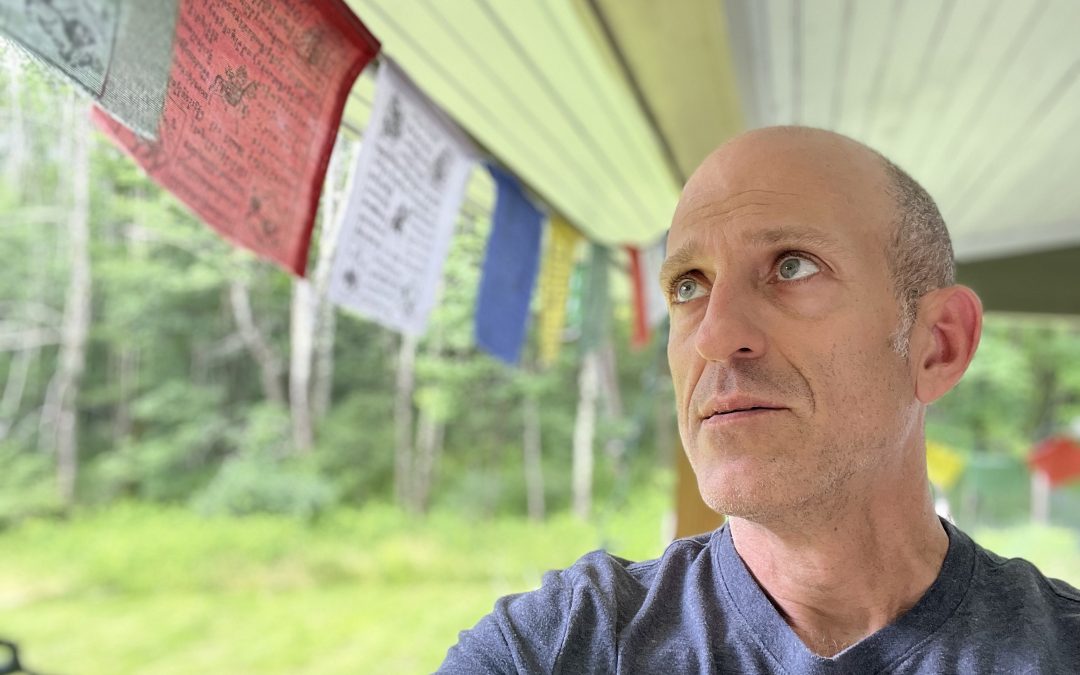
In the tranquility of my backyard, vibrant strands of Tibetan prayer flags billow gently in the breeze. Each morning, as sunlight starts to seep into the day, casting a warm, dappled glow on these colourful fabric squares, I am reminded of a journey that deeply resonates within me. This intimate tale commences in the vibrant, spiritual heart of Nepal, a place that has shaped my understanding of peace, connection, and the ethereal vibrations that Tibetan prayer flags introduce into our lives.
I had the privilege of purchasing these sacred symbols during my sojourn at The Kopan Monastary in Nepal, where spirituality weaves itself seamlessly into the country’s social fabric. From the humble marketplace vendor to the tallest temple steeples, you will find these brightly coloured prayer flags adorning the landscape, injecting vibrant hues against the snow-capped Himalayan peaks. Each flag, I learned, held a world of meaning that transcended its physical form, a symbol deeply rooted in traditional Tibetan Buddhism.
The practice of hanging Tibetan prayer flags dates back thousands of years to the Bon tradition in Tibet, pre-dating Buddhism. These flags, known as “Lung ta” (meaning ‘Wind Horse’) or “Darchor” (meaning ‘flagstaff’), are traditionally used to promote peace, compassion, strength, and wisdom. Each flag is meticulously inscribed with mantras and prayers, which are thought to be spread by the wind, purifying the surrounding area and offering blessings to all sentient beings in its path.
The five colours that traditionally adorn these prayer flags – blue, white, red, green, and yellow – represent the five elements of space, air, fire, water, and earth, respectively. These colours reflect the Buddhist belief in the interconnectedness of the natural world, invoking balance and harmony.
However, what was previously shrouded in mystery for me was the lifespan of these flags and how their conditions could influence their spiritual effectiveness. After much research and contemplation, I found the answer to be as profound as the tradition itself. These flags are not meant to be permanent fixtures; they are designed to fray and fade with the elements. As they endure the forces of wind, rain, and sun, the prayers inscribed upon them are believed to be released into the universe, spreading goodwill and compassion. The tattered and faded flags are seen not as an indication of dilapidation, but as a sign of fulfillment, having completed their spiritual journey.
In Tibetan tradition, it’s considered disrespectful to remove the flags while they are still vibrant and intact. Once they are threadbare and faded, the flags can be taken down, ideally during a Buddhist festival like Losar (Tibetan New Year). The old flags are usually burned in a respectful manner, signifying the renewal of prayers for the coming year. New flags are then hung up, perpetuating this cycle of blessings.
The comforting sway of my prayer flags, carrying blessings on every gust, has undoubtedly raised the vibrational energy of my home space. Each glance out towards these flags serves as a gentle reminder of the peace and connectedness that exists within our universe, both seen and unseen. They stand as a testament to the wisdom of Tibetan Buddhist philosophy, inviting a sense of tranquility and reverence for the natural world into our everyday lives.
As I continue on my journey of understanding, my prayer flags will remain a touchstone for my quest for peace, wisdom, and spiritual connection. Even as they become tattered and worn, their vibrancy within my heart will remain untarnished, illuminating my path towards higher spiritual vibration and deeper connectedness with the world around me.
Recent Comments